Essential Home Improvement Guides
Learn everything you need to know about upgrading your windows, doors, siding, and more
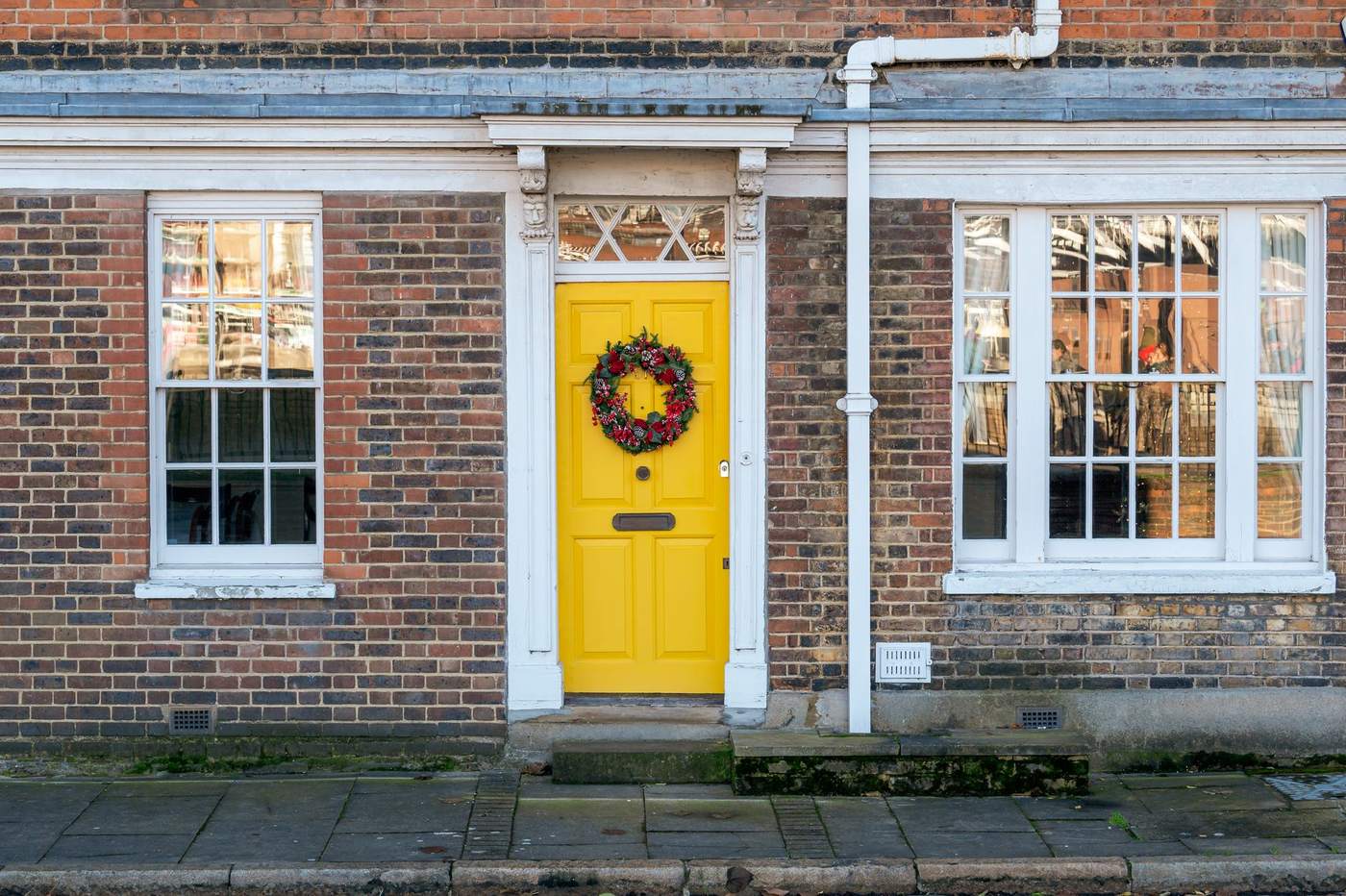
Window Replacement Fundamentals
Replacing windows is one of the most impactful home improvements you can make. New windows improve energy efficiency, enhance curb appeal, and increase your home's value. Whether you're dealing with old single-pane windows or wanting to upgrade to something more modern, understanding the basics helps you make better decisions.
Key considerations when replacing windows include energy ratings, frame materials, installation quality, and long-term maintenance. Each of these factors directly impacts how well your windows perform and how satisfied you'll be with your investment.
- Assess your current windows for drafts, condensation, or difficulty operating
- Research energy efficiency ratings and climate-appropriate performance specs
- Get multiple quotes from reputable installers
- Ask about warranties and long-term maintenance requirements
- Plan for seasonal timing—spring and fall are ideal installation windows
Door Installation and Upgrades
Your doors serve both functional and aesthetic purposes. A properly installed entry door improves security, weather protection, and creates your home's first impression. Interior doors affect privacy and room flow, while patio doors bring in light and extend living space outdoors.
Installation quality matters enormously—a poorly hung door leads to drafts, security issues, and operational problems. Understanding what separates professional installation from basic work helps you get better results.
- Measure doorways accurately before ordering replacements
- Choose materials suited to your climate and usage patterns
- Verify proper weatherstripping and sealing during installation
- Understand swing direction and hardware compatibility
- Plan for finishing work—trim, paint, and hardware details

Siding Installation and Maintenance
Siding protects your home from weather while defining its appearance. Whether you're installing vinyl, fiber cement, or other materials, proper installation is critical for durability and performance. Understanding siding fundamentals helps you evaluate options and ensure quality workmanship.
Professional siding installation involves proper underlayment, flashing, fastening techniques, and finishing details. Each step impacts how well your siding protects your home and how long it lasts before maintenance or replacement becomes necessary.
- Inspect existing siding for damage, rot, or insect issues
- Compare material options based on climate, maintenance, and budget
- Verify proper installation techniques and industry standards
- Ensure adequate flashing around windows, doors, and trim
- Plan for regular cleaning and maintenance throughout the year
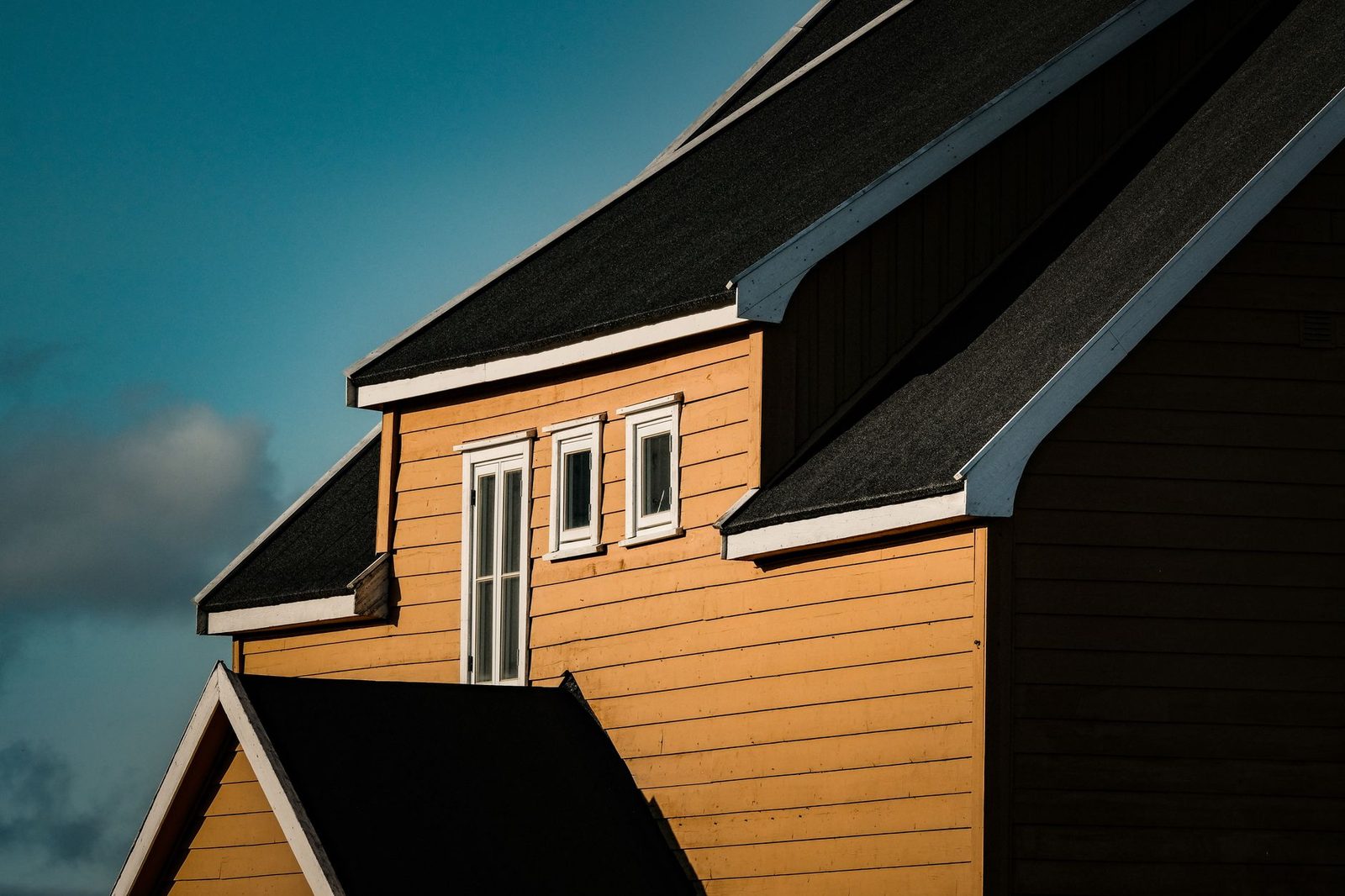
Energy Efficiency and Performance Standards
Modern windows and doors include standardized ratings that help you compare performance. These ratings measure how well products insulate, how much solar heat they transmit, and how much light they allow through. Understanding these metrics helps you choose products appropriate for your climate and home orientation.
Energy-efficient upgrades reduce heating and cooling costs, improve comfort, and decrease your environmental impact. The investment in quality products typically pays for itself through utility savings over time.
U-Factor Ratings
Measures insulation value. Lower numbers mean better insulation. Climate determines what's appropriate for your home.
Solar Heat Gain (SHGC)
Indicates how much solar heat the product transmits. Lower values work better in hot climates, higher values in cold climates.
Air Leakage
Measures how much air passes around the window or door when closed. Lower numbers indicate tighter seals.
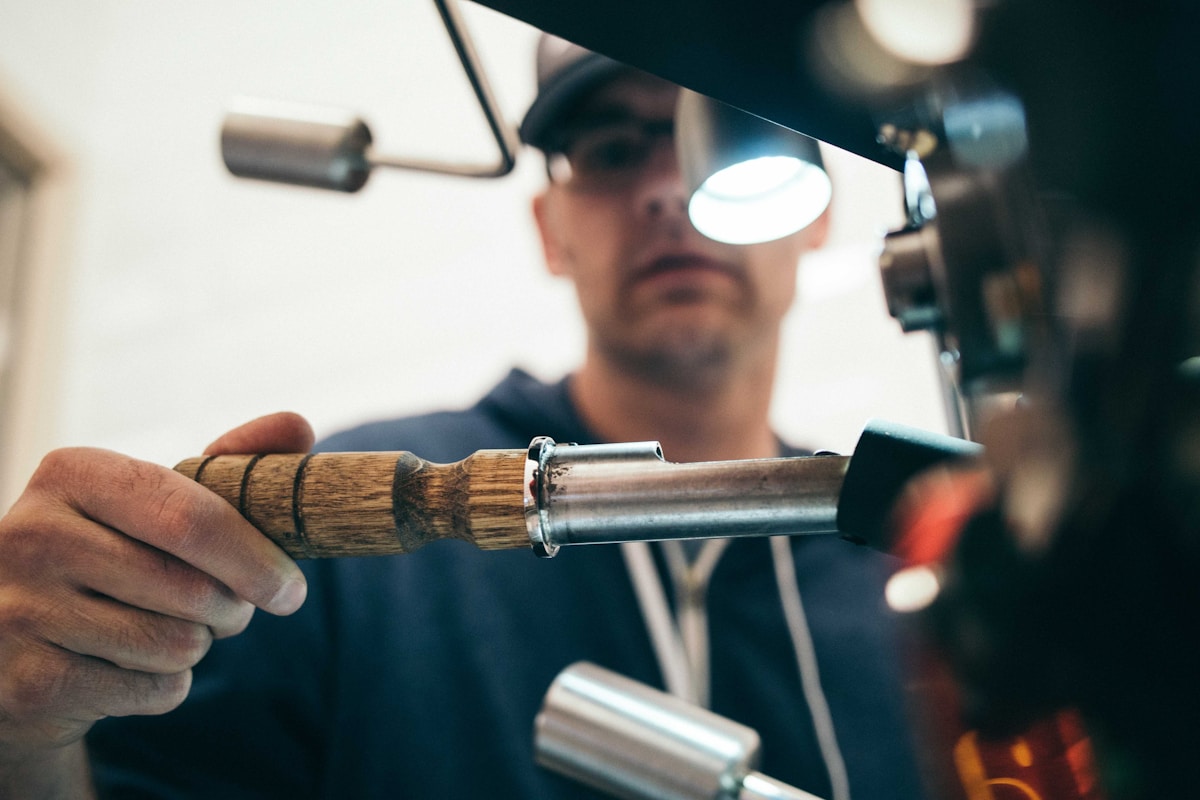
Choosing Quality Contractors and Installation Services
Product quality is only part of the equation—installation quality determines whether your investment performs as intended. Learning what separates excellent installers from mediocre ones helps you avoid costly mistakes and poor workmanship.
The best contractors offer clear communication, proper insurance and licensing, quality materials, and professional installation techniques. They explain their process, honor their commitments, and stand behind their work with strong warranties.
- Verify licensing, bonding, and current insurance coverage
- Ask about past projects and request references you can contact
- Understand the complete scope of work and written warranty terms
- Confirm timeline, payment schedule, and cleanup expectations
- Check online reviews and Better Business Bureau ratings
Planning Your Home Improvement Project
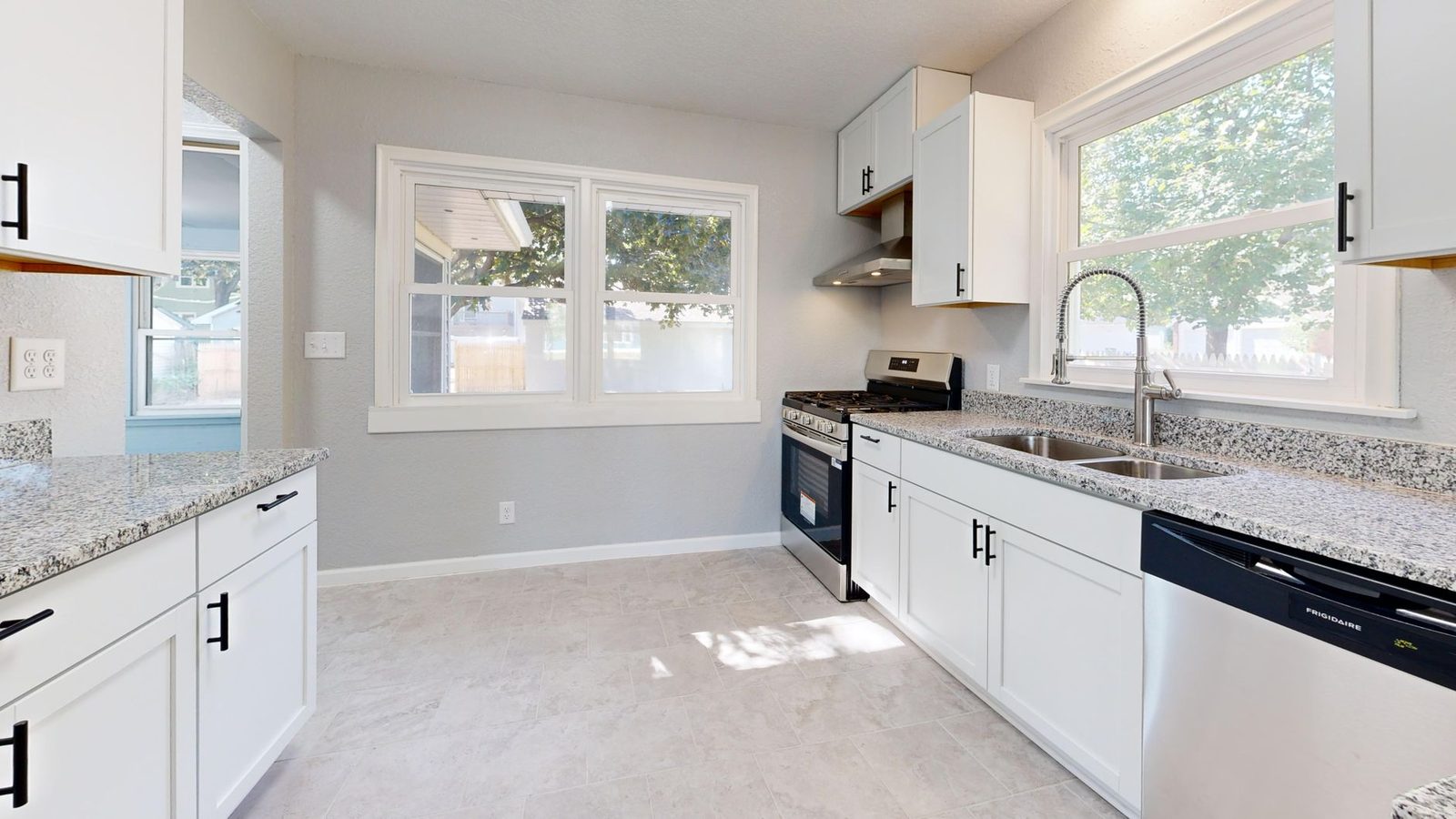
Successful home improvement projects start with clear planning. Whether you're replacing a single window or doing a comprehensive exterior upgrade, understanding the process helps you stay organized, manage expectations, and achieve better results.
Take time upfront to assess your needs, research options, get competitive quotes, and plan for the disruption renovation creates. A well-planned project moves smoothly and delivers satisfaction that lasts for years.
1. Assess and Research
Identify what needs replacement and research your options thoroughly.
2. Get Multiple Quotes
Collect detailed quotes from reputable contractors for comparison.
3. Review and Compare
Compare not just price, but materials, warranty, timeline, and contractor reputation.
4. Plan Timeline and Details
Finalize your choice and plan the installation timeline with your contractor.
5. Prepare Your Home
Clear work areas and prepare for the disruption of installation work.
6. Support Installation Process
Be available for questions, monitor work quality, and address issues promptly.
Want to Share Your Home Improvement Stories?
The Casement is all about sharing honest experiences and practical knowledge. If you have window, door, or siding projects you'd like to discuss or get input on, I'd love to hear from you.
Ask a Question Browse Projects